




Keep Your Heat Pump Efficient Year‑Round — Practical Maintenance, Repairs, and Energy‑Saving Tips
A well-maintained heat pump delivers reliable comfort and lower energy bills. This guide walks you through the simple maintenance tasks, common problems to watch for, and practical energy‑saving strategies to keep your system running smoothly. Do the basics right and you’ll avoid costly repairs and get more years out of your equipment. Below we cover common issues, why regular inspections matter, the best cleaning practices, financing help, and how indoor air quality affects performance.
What common heat pump problems reduce efficiency?
Several routine issues can make a heat pump work harder than it should, driving up energy use and shortening equipment life. Look out for refrigerant leaks, clogged or dirty filters, and thermostat problems. Each of these stresses the system, increases wear, and raises utility costs. Catching problems early saves money and keeps your home comfortable.
Many of these problems start small and progress slowly. For example, a slightly clogged filter initially reduces airflow, which increases runtime and motor load; over months this can cause higher energy use and may mask other faults. Tracking small changes — a faint hissing, a gradual increase in runtime, or slightly uneven rooms — makes it easier to address the root cause before larger repairs are needed.
How do repairs restore efficiency and prevent breakdowns?
Timely repairs put efficiency back where it belongs. Typical fixes include repairing refrigerant leaks, swapping out faulty thermostats, and replacing clogged filters. Taking care of small problems quickly reduces energy use, limits further damage, and extends the life of your heat pump. In most cases, a prompt repair is far cheaper than replacing a failed system.
When a licensed technician repairs a heat pump they also typically verify system settings and controls, confirm proper airflow, and run the unit through both heating and cooling cycles to confirm normal operation. That broader check protects against repeat issues and verifies the repair restored expected performance.
Signs your heat pump needs troubleshooting
Know the common warning signs so you can act before a small issue becomes a big one: unusual noises like grinding or hissing, uneven heating or cooling from room to room, and sudden spikes in your energy bill. If you notice any of these, call a technician to diagnose the cause and recommend the right fix.
Use a simple troubleshooting checklist at home before you call: check the thermostat mode and setpoint, inspect visible air filters and registers, confirm the outdoor unit is free of debris, and verify circuit breakers are on. Do not open electrical panels or handle refrigerant lines yourself — those checks are for safety and to give your technician useful information when they arrive.
How regular inspections boost year‑round performance
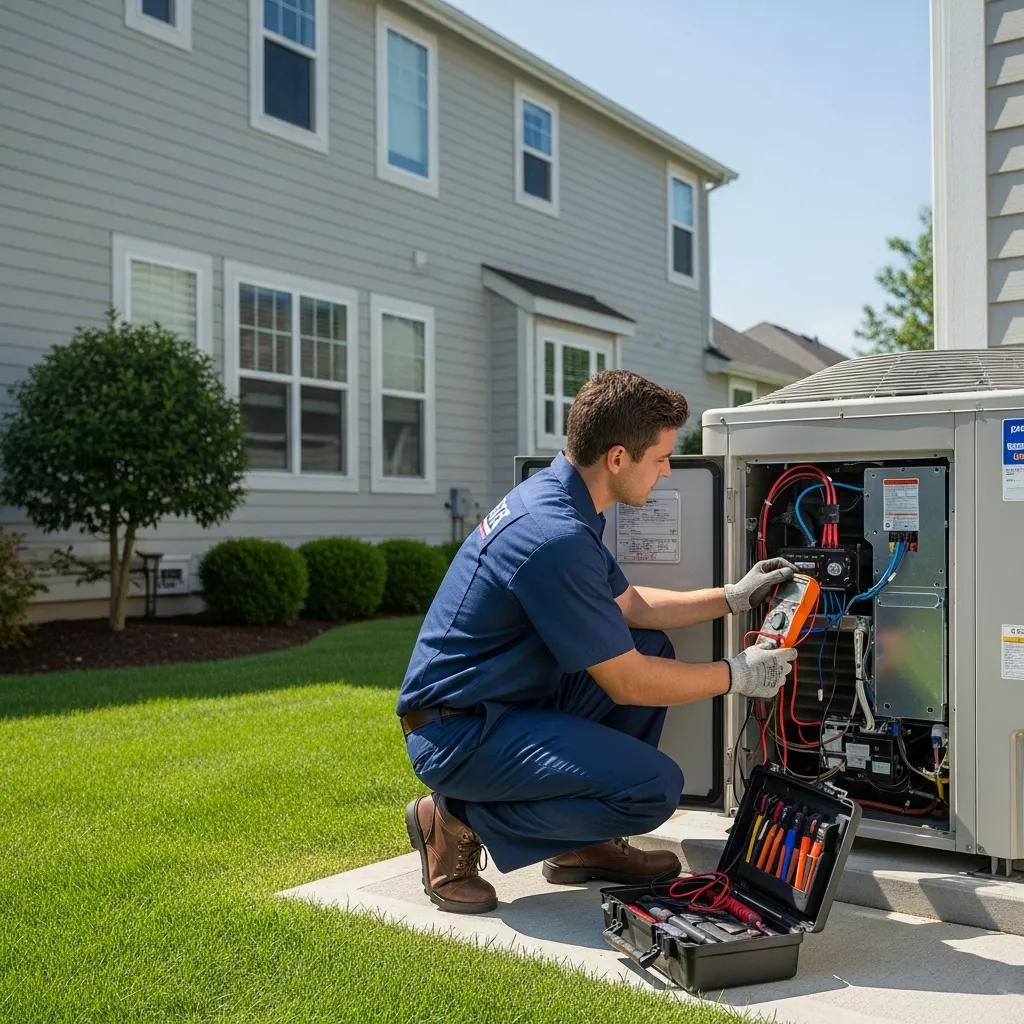
Routine inspections are the best way to keep a heat pump running efficiently. A standard checkup includes measuring refrigerant levels, testing electrical components, and cleaning key parts of the system. Scheduling regular inspections helps you spot worn parts and emerging issues before they lead to breakdowns.
Homeowners benefit from understanding what the inspection covers so they can prioritize repairs and budget ahead. Ask the technician for a written checklist after each visit that shows completed items, any parts that are near the end of life, and recommended follow‑ups. That record helps with warranty claims and long‑term replacement planning.
What's included in a seasonal heat‑pump tune‑up?
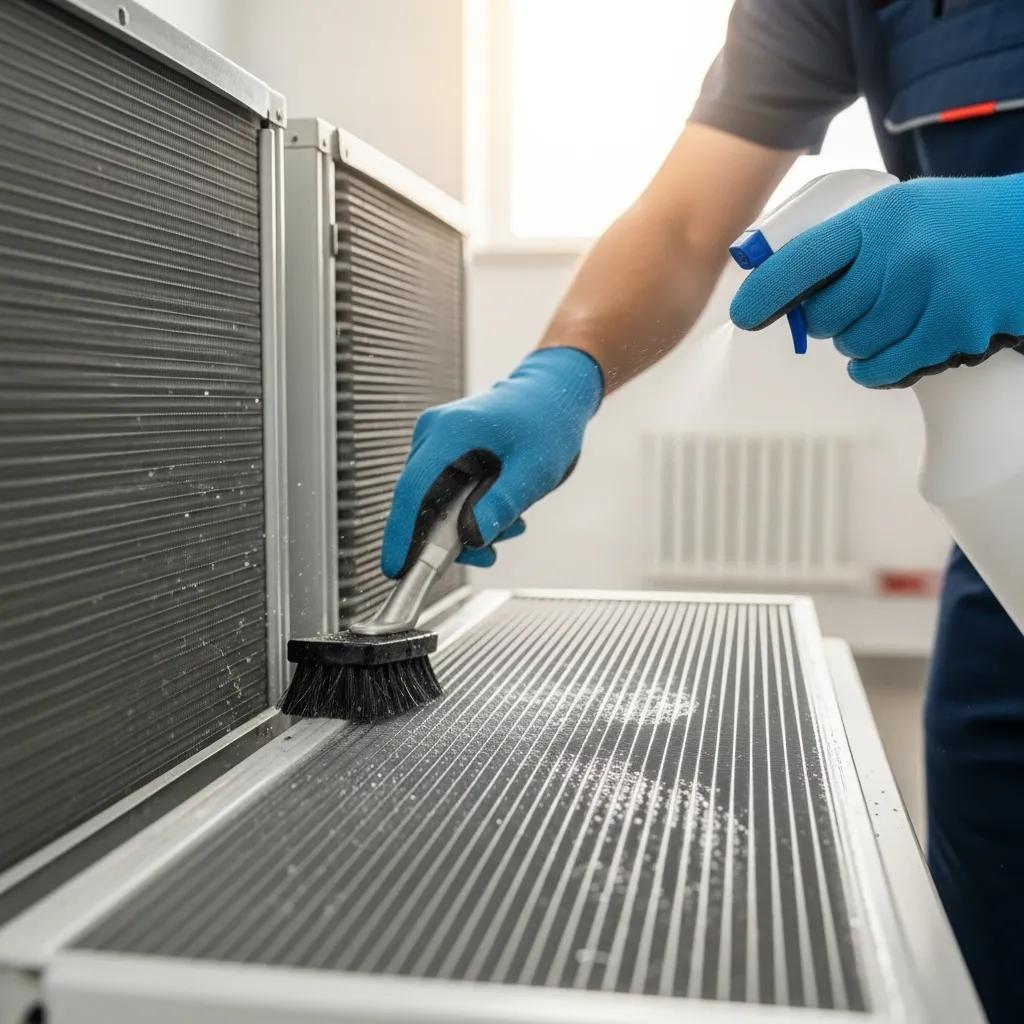
A full seasonal tune‑up typically covers cleaning the evaporator and condenser coils, changing or cleaning air filters, tightening and inspecting electrical connections, and checking system controls. These tasks improve efficiency, reduce the chance of mid‑season failures, and help your heat pump deliver steady comfort.
Before a technician arrives, prepare the area around indoor equipment and the outdoor unit so they can work safely and efficiently. Clear a path to access the air handler, remove obstructions near the outdoor fan, and note any recent symptoms or odd noises. During the visit, ask the technician to explain any adjustments made and to show you where future maintenance items are located.
How often should you schedule maintenance for best efficiency?
For most homes, plan for at least one professional maintenance visit each year—ideally before the heavy heating or cooling season. In extreme climates or high‑use homes, twice‑yearly service is a smart choice. If you hear strange noises, notice weak airflow, or see temperature swings, schedule a check sooner. Regular maintenance is the easiest way to keep performance steady.
Between professional visits, perform simple monthly checks: inspect filters, look for visible dirt on coils, and ensure vents are open and unobstructed. Keeping a short maintenance log with dates for filter changes and service visits makes it easier to follow a schedule and to show prospective buyers or service technicians the system’s care history.
Best cleaning practices to improve energy efficiency
Keeping your heat pump clean prevents airflow restrictions and improves heat transfer. Simple, regular cleaning is one of the most cost‑effective ways to lower energy use and reduce wear on the system. Below are the key areas to focus on.
Which components need routine cleaning?
Focus cleaning efforts on the parts that most affect performance:
- Air Filters: Dirty filters choke airflow and force the system to run harder. Clean or replace them on the schedule recommended for your home and usage.
- Coils: Evaporator and condenser coils need to be kept free of dirt so heat can move efficiently. Dirty coils reduce capacity and raise energy use.
- Fans: Clean fan blades and housings to keep airflow balanced and reduce stress on the motor. Built‑up dust can cause vibration and premature wear.
Regular attention to these components will help your heat pump run cleaner, cooler, and cheaper.
Research also points to advanced options like UV germicidal coil cleaning that can improve heat transfer on exchanger surfaces.
How cleaning affects your bills and system life
Keeping filters, coils, and fans clean reduces the energy your heat pump needs to reach the same comfort level. That means lower monthly bills and fewer emergency repairs. Cleaner systems also experience less wear, which translates into a longer, more reliable service life—making regular cleaning a smart investment.
Practical cleaning steps include replacing disposable filters or washing reusable filters as directed, gently brushing visible dust from accessible fan blades, and clearing vegetation and debris from around the outdoor unit. If coils look heavily soiled or accessible only by dismantling panels, arrange professional coil cleaning — that preserves delicate fins and avoids damage from improper cleaning methods.
Financing options to make maintenance affordable
Financing can help spread the cost of necessary maintenance and repairs so you don’t delay care that protects your system. Shelton’s Air Worx offers a range of plans to fit different budgets and timelines.
Flexible financing plans from Shelton's Air Worx
We provide flexible HVAC financing options designed to make routine maintenance and unexpected repairs easier to manage. Choose a payment plan that fits your budget so you can stay on top of tune‑ups and fixes without a large upfront bill.
Financing can take several practical forms: short‑term payment plans for a specific repair, longer plans for replacement equipment, or membership programs that bundle regular tune‑ups and priority service. Ask about plan features such as deferred payments, monthly billing, and included maintenance visits so you can choose what fits your household’s cash flow.
How financing helps you keep up with tune‑ups and repairs
When cost isn’t a barrier, homeowners are more likely to schedule timely maintenance. Affordable payment plans encourage proactive care, which prevents small issues from becoming expensive emergencies and keeps your heat pump operating efficiently year after year.
Consider financing as a tool for predictable budgeting: manageable monthly payments that preserve equipment life and energy savings can be easier to handle than unexpected replacement costs. If you have a major repair or replacement planned, request a written estimate and compare plan options so you understand total costs and any fees before you commit.
How indoor air quality affects efficiency and comfort

Indoor air quality (IAQ) and heat‑pump performance are closely linked. Polluted air and clogged filters make the system work harder, which raises energy use and can reduce comfort. Improving IAQ helps the system breathe easier and keeps your home healthier.
Don’t underestimate simple IAQ habits: regular vacuuming, cleaning or vacuuming of return grilles, and running exhaust fans when cooking or showering reduce airborne particles that would otherwise circulate through the system. Those small habits reduce filter loading and help your heat pump operate with less resistance.
Benefits of pairing air‑quality solutions with your heat pump
Adding air purifiers, ventilators, or humidifiers alongside your heat pump can improve comfort and efficiency. Cleaner air reduces strain on the system and helps it maintain set temperatures with less effort—while also improving the health and comfort of everyone inside.
Choose IAQ solutions based on needs: a whole‑house air cleaner that integrates with ductwork gives continuous particle removal, while targeted room purifiers can help in high‑use areas. Mechanical ventilation can improve fresh‑air exchange without overworking the heat pump, especially in tightly sealed homes.
How maintenance improves air quality and performance
Regular maintenance—especially filter changes and coil cleanings—removes allergens and debris from the system. That not only boosts performance and efficiency, it also lowers airborne irritants so indoor air feels and smells better.
When you change a filter, inspect the filter cabinet and seals; a poor seal lets unfiltered air bypass the filter and can quickly undo the benefits of a new element. If anyone in the home has allergies, discuss filter options and IAQ upgrades with your technician to balance filtration with airflow needs.
Why choose Shelton's Air Worx for heat pump service in Mayodan, NC?
Picking the right local company matters. Shelton’s Air Worx combines hands‑on experience, hometown service, and a commitment to getting your system back to peak performance quickly and professionally.
We aim for transparent pricing, clear explanations, and helpful recommendations that match each customer’s budget. Before any major work we provide a written estimate and explain the options so you can make an informed decision. Our local presence means faster response times and technicians who understand common regional challenges.
Our technicians' training and local know‑how
Our technicians are factory‑trained and familiar with the needs of homes in this area. That local knowledge helps them diagnose problems faster and recommend solutions that fit this climate and common local issues.
Technicians also carry basic diagnostic tools to verify airflow, electrical draw, and basic control operation during a visit. If parts are needed, we explain choices — repair versus replace — and the expected service life of components so you can plan maintenance and budget accordingly.
Seasonal services and local customer support keep things reliable
We offer seasonal tune‑ups and emergency support so your heat pump stays reliable when you need it most. Our customer care team is here to answer questions and schedule service that fits your family’s routine.
Customers on our maintenance plans typically receive priority scheduling during peak seasons, reminders for service dates, and discounts on parts or labor. These perks reduce downtime and often pay for themselves by avoiding emergency service rates and inefficient operation.
Seasonal maintenance steps to keep your heat pump efficient
Preparing your heat pump for changing weather protects performance. Follow these seasonal steps to reduce surprises and keep systems running smoothly.
Creating a short seasonal checklist keeps the work manageable: inspect filters, clear the outdoor area, confirm thermostat settings, and note any recent performance changes. That short routine minimizes the chance of a preventable failure when you need the system most.
Preparing your heat pump for winter and summer
Key preparation tasks include:
- Winter preparation: Protect outdoor components from ice and debris, check refrigerant levels so the system can deliver heat, and clear leaves or snow away from the unit to maintain airflow.
- Summer preparation: Clean coils for better heat exchange, replace filters to maintain airflow, and inspect electrical connections before heavy cooling demand begins.
These simple steps reduce strain during extreme temperatures and help your heat pump perform consistently.
Additional seasonal tips: trim plants and storage away from the outdoor unit to ensure unobstructed airflow, lock down loose panels or covers, and if your unit will be unused for extended periods, ask a technician about recommended storage or protective steps to prevent moisture damage.
Troubleshooting tips to avoid seasonal issues
Take a few proactive steps to minimize seasonal problems:
- Check and replace filters regularly to keep airflow steady and prevent dust buildup.
- Inspect the outdoor unit and remove debris, overgrown plants, or anything that could block airflow.
- Watch your energy bills for unexpected increases—those can be an early sign that the system needs attention.
These checks are quick, inexpensive, and often prevent bigger headaches down the road.
Before calling for service, try a few safe, simple checks: reset the thermostat and replace its batteries, verify breakers are on, and clear registers and returns of obvious blockages. If these steps don’t restore normal operation, document the symptoms and recent changes to help your service technician diagnose the issue quickly.
How energy‑efficient models — like Daikin — save you year‑round
Modern, energy‑efficient heat pumps deliver noticeable savings across seasons. Brands like Daikin design systems to reduce energy use while keeping your home comfortable, which lowers both monthly bills and overall operating costs.
Newer systems often include smarter controls and variable‑speed compressors that match output to demand. That smoother operation reduces short cycling, improves comfort, and can extend component life compared with older on/off equipment.
Daikin features that suit local climate
Daikin systems often include inverter technology and advanced controls that match output to demand. That means gentler temperature swings, quieter operation, and better efficiency in both heating and cooling modes—features well suited to varying local conditions.
When considering an upgrade, work with a qualified contractor to confirm proper sizing and configuration for your home. Correct sizing, proper ductwork, and appropriate controls are as important as model selection for long‑term performance.
Field evaluations of models such as the Daikin Rebel show strong efficiency at common part‑load conditions and good savings during peak cooling periods.
How energy‑efficient models lower long‑term costs
Choosing an efficient heat pump can cost more up front but save significant money over time through lower utility bills. Many homeowners also qualify for rebates and incentives that reduce the initial cost, improving the overall return on investment.
Ask your technician about local rebate programs, trade‑in offers, and financing bundles that include installation and a maintenance plan. These combined options can reduce out‑of‑pocket costs and simplify ownership over the system’s lifetime.
For details or to contact us, visit our website.
Ready to Optimize Your Heat Pump's Performance?
Keeping your heat pump efficient year‑round is about steady care: regular inspections, timely repairs, and simple cleaning go a long way toward lower bills and fewer surprises. If up‑front cost is a concern, explore our financing options so maintenance and repairs stay affordable. For personalized advice or to schedule service, contact us—we’ll help you keep your system running its best.
Small actions taken now — a clean filter, a cleared outdoor area, and timely tune‑ups — compound into years of reliable comfort and predictable operating costs. If you’d like a seasonal checklist or a written maintenance plan for your home, reach out and we’ll provide a clear, no‑pressure estimate and walk you through the best options for your system.