




Slash Your Energy Bills with Smarter HVAC and Controls
Cutting-edge heating, ventilation, and air conditioning systems, when paired with smart controls, can trim your annual energy expenses by as much as 30 percent. Many homeowners and businesses grapple with escalating utility costs, but by combining high-performance equipment, diligent upkeep, and intelligent thermostats, you can achieve significant, measurable savings. This guide dives into five key areas: boosting HVAC efficiency, unlocking the advantages of smart controls, prioritizing proactive maintenance, optimizing your entire building’s energy use, and knowing when to upgrade your system. We’ll break down what each means, how it works, and the specific benefits you can expect, drawing on our local expertise right here in Mayodan, NC, and the surrounding areas. By following these practical energy-saving tips and consumption reduction tactics, you’ll gain a clear understanding of both the technical steps and everyday actions needed to lower your energy bills, and you’ll know exactly when to call your trusted service pros for expert installation or repairs.
What Are the Smartest Ways to Save Energy with Your HVAC?
How Does Your HVAC System's Efficiency Affect Your Utility Bills?
High-efficiency HVAC units are masters at converting fuel or electricity into comfortable heating and cooling, meaning less energy goes to waste, and your monthly bills shrink. A system’s efficiency rating directly tells you how well it maintains your desired temperature while using minimal power. For instance, a well-maintained air conditioner with a top-tier Seasonal Energy Efficiency Ratio (SEER) won’t have to run as often as an older model, leading to lower cooling costs and a longer lifespan for your equipment. Understanding these performance benchmarks is your first step toward choosing upgrades that deliver reliable, year-round savings.
What Exactly Are SEER and SCOP Ratings, and Why Should You Care?
SEER (Seasonal Energy Efficiency Ratio) and SCOP (Seasonal Coefficient of Performance) are the industry standards for measuring how efficiently your air conditioner or heat pump operates throughout an entire season. The higher the rating, the less electricity the unit needs to use to keep you comfortable, which directly translates to lower energy consumption and smaller bills.
Choosing units with high SEER and SCOP ratings means clear savings: upgrading from a SEER 10 unit to a SEER 18 model can slash your cooling expenses by 25 percent. Similarly, a heat pump with a SCOP of 4 delivers 50 percent more heat for the same amount of energy compared to a lower-rated unit. These ratings are your essential guide to selecting the most cost-effective equipment for your home or business.
How Can Upgrading to a High-Efficiency Air Conditioner Cut Your Costs?
Swapping out older, less efficient air conditioners for modern, high-efficiency models significantly reduces both peak energy demand and overall runtime. You’ll benefit from lower kilowatt-hour usage, quieter operation, and often longer warranty periods that protect your investment. When installed by professionals, these new units are optimized for refrigerant charge and airflow right from the start, maximizing their performance.
Research has confirmed the substantial energy-saving potential of air conditioners with higher SEER ratings, especially in warmer climates.
Before you schedule your professional heating service, consider these crucial upgrade steps:
- Replace any units below SEER 13 with models rated SEER 16 or higher.
- Ensure your new system is correctly sized to match your building’s specific heating and cooling needs.
- Keep refrigerant lines and outdoor condenser units free from obstructions and debris.
- Opt for variable-speed compressors for smoother, more consistent temperature control.
Implementing these measures can lead to 20–40 percent reductions in your cooling bills, clearly demonstrating why today’s units outperform older equipment. Proper sizing and expert installation are the cornerstones of these savings.
What Role Do Heat Pumps Play in Lowering Your Heating and Cooling Expenses?
Air-source heat pumps are incredibly efficient, transferring existing heat from the outside air to warm your home or cool it by reversing the process. They can deliver up to 400 percent efficiency, meaning for every unit of electricity they consume, they provide four units of heating or cooling. This makes them more cost-effective and environmentally friendly than traditional fossil-fuel furnaces, particularly in climates like ours in Mayodan, NC. Because they provide both heating and cooling, they simplify your home’s systems and streamline maintenance.
Don’t forget to look into local incentives and utility rebates, which can significantly reduce the upfront cost of installing a heat pump, making this efficient upgrade more accessible. Their ability to handle both heating and cooling needs in one unit simplifies your HVAC setup and maintenance, offering combined savings.
How Does Getting Your HVAC Installed Correctly Impact Your Energy Savings?
Proper installation is key: it means ensuring your ductwork is perfectly sealed, refrigerant levels are precisely optimized, and airflow meets all design specifications. A botched installation can easily slash your expected efficiency by 20–30 percent, completely undermining the benefits of even the most advanced equipment. That’s why our expert technicians perform detailed load calculations to select the right unit size for your home, preventing issues like short-cycling and uneven temperatures.
By commissioning your system with meticulous care, our installers set the stage for reliable performance and establish maintenance schedules that preserve your savings throughout the equipment’s lifespan. This commitment to professional installation is the foundation of all effective energy-saving strategies.
How Do Smart Thermostats Help You Save on Heating and Cooling?
What Are the Top Benefits of Smart Thermostats for Managing Your Energy Use?

Smart thermostats leverage real-time data, smart algorithms, and your own daily habits to automatically adjust temperature settings, preventing unnecessary heating or cooling. They deliver energy savings by learning when you’re home, adapting to changing weather conditions, and allowing you to control your system remotely. Studies show that homeowners can save between 8–18 percent on gas and 10–15 percent on cooling costs by switching from manual controls to these intelligent devices, ensuring consistent efficiency gains that align perfectly with smart energy-saving practices.
How Do Features Like Learning and Geofencing Cut Down on Energy Waste?
Learning thermostats are designed to observe your daily routines and automatically optimize temperature settings without requiring constant manual programming. Geofencing uses your smartphone’s location to switch your HVAC system into energy-saving modes when you leave and back to comfort settings when you return, preventing wasted conditioning in an empty house.
Here are some of the key automated features:
- Adaptive scheduling that learns your daily patterns.
- Geo-aware mode adjustments based on your comings and goings.
- Weather-responsive pre-conditioning to smooth out energy loads.
- Insightful usage reports to guide further savings decisions.
These intelligent controls can reduce your overall energy consumption by up to 12 percent annually. By integrating smart automation, you harness both behavioral and technical efficiencies for consistent, reliable reductions in your energy bills.
Can Programmable and Zoning Thermostats Fine-Tune Your HVAC Energy Use?
Programmable thermostats allow you to set specific heating and cooling schedules, while zoning systems divide your home or business into separate areas, each with its own independent temperature control. Zoning is particularly effective at preventing the over-conditioning of unused spaces, ensuring you only heat or cool the areas you’re actually using. When you combine zoned dampers with programmable controls, you achieve highly precise energy management and significantly improve occupant comfort.
How Simple Is It to Set Up and Use a Smart Thermostat?
Installing a smart thermostat typically involves connecting a standard C-wire and following simple wiring instructions, a process that most homeowners can complete in under an hour. The user-friendly interfaces, accessible via mobile apps or touchscreen panels, guide you through the initial setup. With real-time performance feedback and easy-to-understand usage reports, operating your smart thermostat is straightforward, encouraging active engagement and energy-saving habits right from the start.
How Do Regular HVAC Tune-Ups Cut Your Energy Bills?
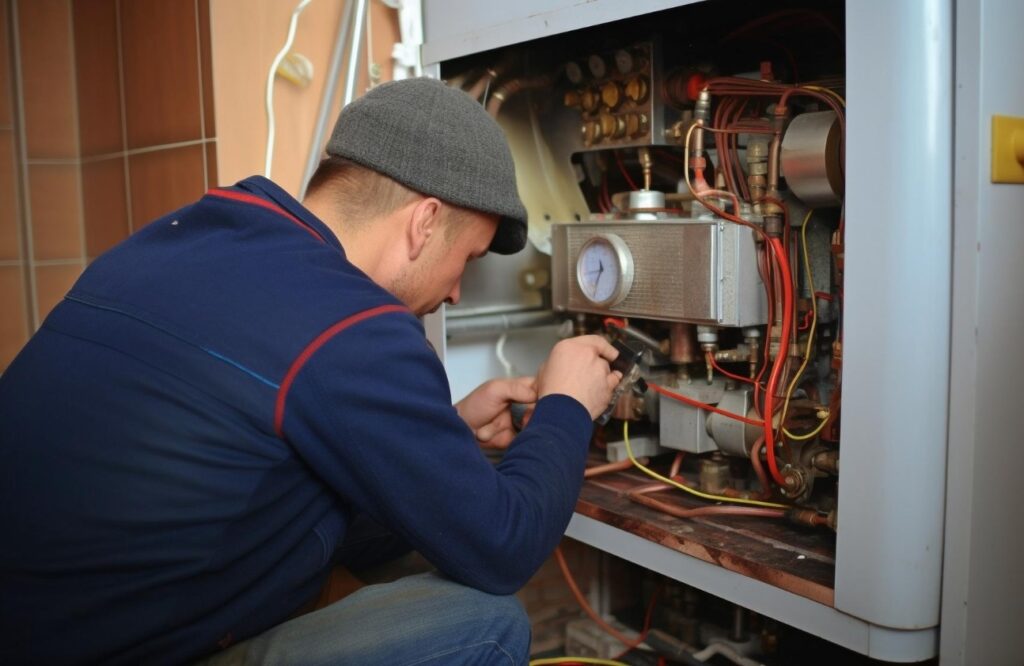
How Often Should Your HVAC System Get a Tune-Up for Peak Efficiency?
Preventative maintenance, ideally performed every six months, ensures your filters stay clean, refrigerant levels are accurate, and all moving parts are properly lubricated. Scheduling seasonal tune-ups in the spring and fall aligns with your system’s peak usage periods, guaranteeing it operates at its designed capacity when you need it most.
What Energy Savings Can You Expect from Professional HVAC Tune-Ups?
Professional inspections are crucial for spotting hidden issues like duct leaks, worn-out motors, or airflow restrictions that can silently inflate your energy consumption by up to 20 percent. A thorough tune-up restores your system to its optimal settings, often resulting in immediate bill reductions of 10–15 percent and significantly extending the lifespan of your equipment.
What Simple DIY HVAC Maintenance Tasks Can Help Lower Your Energy Costs?
Homeowners can easily maintain their system’s performance by regularly changing air filters, clearing debris from around the outdoor condenser unit, ensuring vents are unobstructed, and checking thermostat batteries. These straightforward actions help maintain proper airflow, support efficient heat exchange, and can delay the need for costly major repairs.
How Does Preventative Maintenance Extend Your HVAC System's Life and Save You Money?
Routine care is the best way to prevent minor issues from snowballing into expensive breakdowns. By keeping coils clean, controls calibrated, and ductwork sealed, your system runs more smoothly, avoiding the strain of overheating or freezing. This proactive approach can reduce emergency service calls by over 90 percent and maintain consistent efficiency for a decade or more.
How Can Optimizing Your Home or Business for Energy Use Boost HVAC Efficiency?
Why Are Insulation and Air Sealing So Important for Cutting Heating and Cooling Costs?
A well-insulated building envelope and tightly sealed structure are your first lines of defense against energy loss. They prevent conditioned air from escaping and unwanted outside air from infiltrating. Effective insulation in your attic, walls, and floors helps maintain stable indoor temperatures, potentially reducing your HVAC system’s runtime by up to 25 percent. Additionally, sealing air leaks around windows, doors, and utility penetrations eliminates drafts and thermal bridging.
How Does Inspecting and Sealing Your Ductwork Prevent Energy Waste?
Leaky ductwork can allow 15–30 percent of your conditioned air to escape before it even reaches the rooms you want to heat or cool. Sealing and insulating your ducts ensures that air reaches its intended destination, promotes balanced air pressure, and prevents condensation issues. These improvements lead to immediate energy savings and enhance your indoor air quality by minimizing the infiltration of dust and allergens.
What Are the Most Effective Commercial HVAC Energy Reduction Strategies?
Businesses can achieve significant energy savings through strategies like demand-controlled ventilation, advanced scheduling systems, and variable-frequency drives for fans and pumps. Implementing comprehensive energy management systems that continuously monitor and adjust energy loads in real time can cut operational costs by 20–30 percent. Regular performance audits and taking advantage of incentive-based upgrades further boost your return on investment.
Are There Local Government Incentives or Grants for HVAC Upgrades in Mayodan, NC?
Yes, various state and federal programs, including rebates from local utility companies, offer financial assistance for installing high-efficiency equipment and heat pumps. These incentives can cover up to 30 percent of project costs, making premium, energy-saving systems more affordable and shortening the payback period.
When Should You Repair or Replace Your HVAC System to Maximize Energy Savings?
What Are the Warning Signs of an Inefficient HVAC System Driving Up Your Bills?
Keep an eye out for frequent on/off cycling, uneven temperatures throughout your home, steadily rising utility bills even with consistent usage, and any unusual noises during operation. These are clear indicators that worn components, refrigerant leaks, or an improperly sized system might be forcing your HVAC company to work harder and consume more energy.
How Do You Select the Right-Sized HVAC System for Optimal Energy Efficiency?
Accurate load calculations are essential. These calculations consider your building’s orientation, insulation levels, window area, and occupancy to ensure the system is perfectly sized. An oversized system will short-cycle, wasting energy, while an undersized unit will struggle to keep up, running constantly. Professional assessments are key to determining the ideal capacity for your needs.
What's the Cost-Benefit Analysis of Upgrading Your HVAC for Energy Savings?
Investing in a high-efficiency HVAC system typically pays for itself within 3–7 years through lower utility bills and reduced maintenance expenses. When you factor in available incentives and rebates, the total savings over the system’s lifetime can exceed 25 percent, offering a clear financial and environmental win.
What Are the Latest HVAC Trends and Technologies That Save Energy and Money?
How Are Eco-Friendly Refrigerants and F-Gas Regulations Impacting HVAC Efficiency?
New refrigerants with a lower global warming potential (GWP) are designed to meet evolving F-Gas regulations while also improving heat-exchange efficiency. Systems using these advanced blends maintain top performance while significantly reducing their environmental impact, aligning industry practices with crucial ductless services goals.
What Role Do AI and IoT Play in Smart HVAC Energy Management?
Artificial intelligence (AI) and the Internet of Things (IoT) sensors are revolutionizing HVAC. They enable predictive maintenance, dynamic temperature adjustments based on real-time conditions, and early fault detection before performance issues arise. These technologies optimize comfort, minimize downtime, and continuously refine energy usage for maximum savings.
How Are Heat Pump Adoption and Government Grants Driving Energy Savings?
With upcoming mandates and attractive grant programs, the adoption of heat pumps has surged, with market uptake increasing by over 40 percent in 2025. Combined with their inherent efficiency gains of up to 400 percent, these incentives accelerate return on investment and significantly lower carbon footprints.
How Can Shelton’s Air Worx Help You Save on Energy Bills with Expert HVAC Services?
What Energy-Efficient HVAC Products and Services Does Shelton’s Air Worx Provide?
Shelton’s Air Worx specializes in installing top-tier, high-SEER air conditioning units, efficient air-source heat pumps, and advanced smart thermostats. We also offer expert duct sealing and comprehensive system upgrade services. As a Premier Coleman dealer, we ensure you have access to the latest, most efficient equipment engineered for peak performance.
How Does Our Local Expertise in Mayodan, NC Enhance Your Energy Savings?
With over a decade of dedicated service to Mayodan and its surrounding communities, our technicians possess deep knowledge of regional climate patterns, typical building construction, and available local utility incentives. This hyper-local insight allows us to maximize your system’s performance and ensure you take full advantage of all eligible rebates.
When Should You Reach Out to Shelton’s Air Worx for HVAC Installation, Maintenance, or Repair?
Contact Shelton’s Air Worx at the very first sign of inefficiency—whether it’s rising bills, uneven temperatures, or unusual system noises—to prevent escalating energy waste. Early consultation ensures accurate load calculations, professional installation, and proactive maintenance plans designed to safeguard your long-term energy savings.
Shelton’s Air Worx combines proven technical skill with prompt, customer-focused service to help homeowners and businesses in Mayodan, NC, reduce energy consumption, extend equipment life, and enjoy reliable comfort all year round. Get in touch with our team today to explore personalized energy-saving solutions and schedule your consultation!