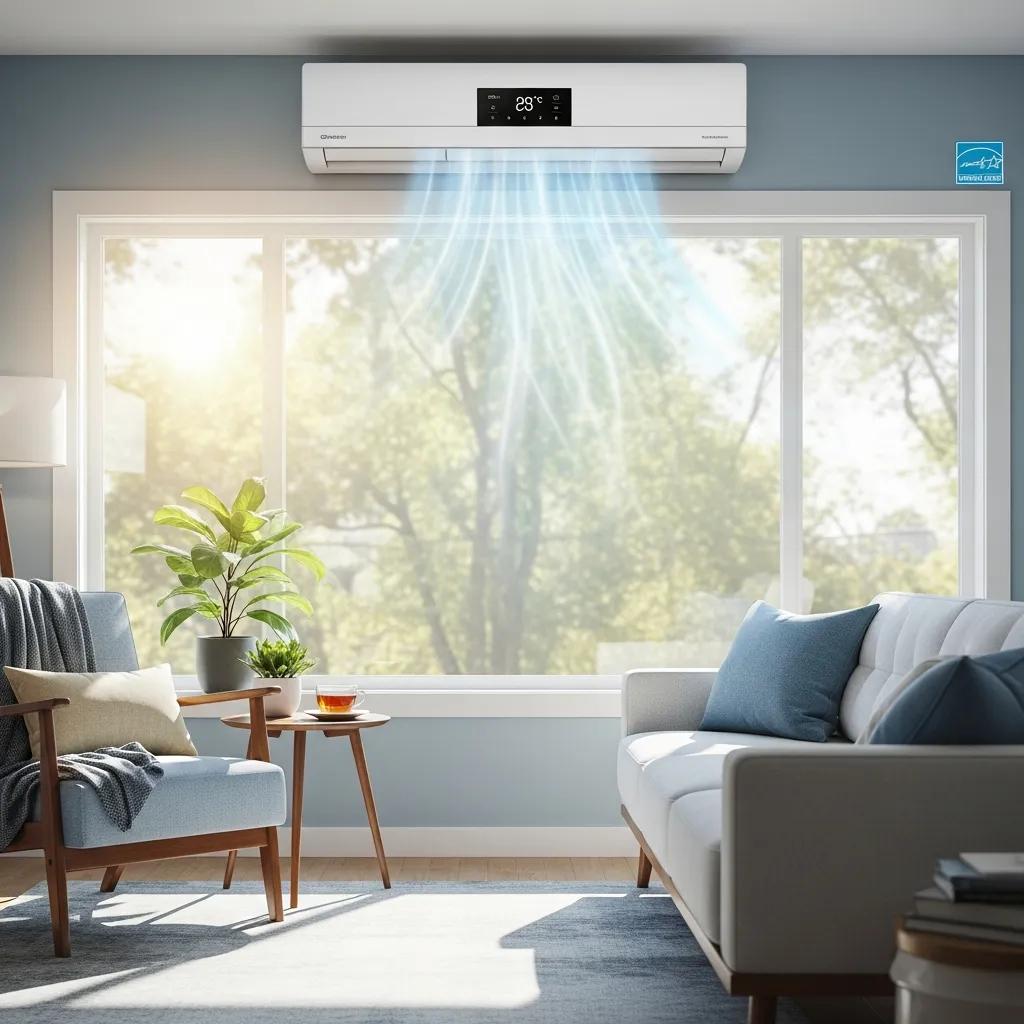
What is SEER? Your guide to HVAC efficiency and energy savings
SEER—Seasonal Energy Efficiency Ratio—plays a big role in how much you pay to cool your home or business. This guide breaks down what SEER means, how it’s calculated, and why it matters for comfort and energy bills. Many people don’t realize how much a higher SEER rating can reduce costs and improve indoor comfort. Read on to learn the basics, how to pick a high‑SEER system, tips for maintenance, financing options, and the latest standards so you can make the best choice for your property.
Beyond the headline number, SEER is one piece of the long‑term cost picture. Upfront equipment cost, quality of installation, ductwork condition, local electricity rates, and how you use the system all influence real savings. This article focuses on SEER but highlights the related decisions that determine whether a high‑SEER investment will meet your expectations.
What Does SEER Rating Mean in HVAC Systems?
SEER measures how much cooling an air conditioner delivers for each unit of electricity it uses over a typical cooling season. Think of it as miles per gallon for your AC: higher SEER means more cooling for less energy. A higher SEER rating generally lowers operating costs and helps you keep a consistent, comfortable indoor environment. Knowing SEER helps you compare systems and plan for long‑term savings.
Because SEER is a seasonal metric, it reflects average performance across a range of operating conditions rather than maximum efficiency at a single test point. That makes it useful for comparing whole‑season efficiency, but it also means SEER doesn’t tell the full story under every possible condition. Use SEER alongside other metrics (like EER or HSPF for heat pumps) and with attention to how equipment will actually be used in your home.
SEER is the standard efficiency metric — but it’s also useful to understand what it does and doesn’t show in real homes.
How is Seasonal Energy Efficiency Ratio Calculated?
Manufacturers and testing labs use standardized test cycles to arrive at the seasonal cooling output and energy input. Those cycles weight different operating points to reflect a range of conditions a unit might see over a season. Because the testing environment is controlled, results are repeatable and comparable across models. When you apply those ratings to a specific home, local climate, thermostat settings, and system sizing will change the real seasonal energy use.
To interpret ratings sensibly, think of SEER as a comparative tool: it helps rank models and families of equipment by efficiency. When contractors provide projected operating costs or payback estimates, ask what assumptions underlie those numbers (hours of use, cost per kWh, indoor setpoints). That will make the comparison realistic for your situation.
Why is SEER Important for Homeowners and Businesses?
SEER affects both energy bills and comfort. Higher SEER systems use less electricity to cool the same space, which means lower utility bills over time. For example, a 16 SEER unit can cut cooling costs significantly compared to an older 10 SEER model—up to around 40% in certain conditions. High‑SEER systems also tend to control temperature and humidity better, improving comfort inside homes and commercial spaces.
When evaluating SEER, keep lifecycle cost in mind. Higher efficiency units often cost more to buy but can pay back the difference through reduced operating costs, depending on how heavily you use cooling, local energy prices, and how long you plan to keep the system. Installation quality and proper sizing are essential to realize those gains: an oversized or poorly installed system can short‑cycle, reducing efficiency and comfort regardless of SEER.
Air conditioning technology has improved a lot over the years; modern systems are far more efficient than older units.
How Does SEER Impact Your Energy Bills and Comfort?
Comfort gains from higher efficiency often come from components and control strategies that operate the system more continuously and at lower capacity. That reduces temperature swings and improves dehumidification because the equipment runs long enough to remove moisture from the air instead of repeatedly switching on and off. Users often report quieter operation and improved overall home comfort with variable‑speed and inverter‑driven systems that typically have higher SEER ratings.
What Are the Benefits of High SEER Air Conditioners?
High SEER air conditioners offer several clear advantages:
- Energy savings: You’ll use less electricity to cool the same space, which lowers monthly bills—especially useful in warmer climates.
- Smaller environmental footprint: Greater efficiency means fewer greenhouse gas emissions tied to energy use.
- Improved comfort: Better temperature and humidity control often come standard with higher‑end, high‑SEER systems, improving indoor air quality and comfort.
- Better modulation and zoning: High‑SEER systems are often paired with variable‑speed compressors and advanced controls that work well with zoning systems to target comfort where you need it and avoid wasting energy cooling unused rooms.
- Potential for quieter operation: Systems designed for efficiency commonly run at lower speeds for longer periods, which reduces peak noise compared with older, short‑cycling equipment.
For many homeowners and businesses, those benefits make high‑SEER systems a practical investment. To decide if the premium is worth it, compare projected energy savings using realistic use patterns and local electricity rates, and include the value of improved comfort and any available incentives in your evaluation.
How Does SEER Relate to HVAC Energy Efficiency and Performance?
SEER is one useful indicator of overall system efficiency. Higher SEER models usually include advanced components—like variable‑speed compressors, improved controls, and newer refrigerants—that boost performance. Knowing how these features affect SEER helps you choose equipment that matches your needs.
Key components that influence SEER include compressor design, coil surface area and fin design, expansion devices, blower motors, and system controls. Improvements in any of these areas can move a model to a higher SEER category. Efficiency gains at the component level translate to operational benefits only when the system is sized and installed correctly and matched to the building envelope and ductwork.
Variable‑capacity technology is one of the biggest drivers of modern efficiency improvements.
How to Choose the Right High SEER HVAC System for Your Home?
Picking the right system depends on your home’s size, layout, budget, and local climate. An in‑home evaluation by a local HVAC pro is the best way to match equipment to your needs and get accurate sizing and efficiency recommendations.
When you request quotes, ask for a written load calculation (often based on industry standard methods) that explains how the contractor sized the system for your house. A reliable quote will show consideration of insulation levels, window areas, orientation, occupancy, and other factors that influence cooling demand. Avoid contractors who size only by rule‑of‑thumb square footage estimates; those shortcuts can lead to oversized equipment that reduces efficiency and comfort.
What Are the Top Energy-Efficient HVAC Brands Like Daikin?
Several manufacturers are known for high‑efficiency models, including Daikin, Trane, and Lennox. Each brand offers different features, warranties, and service networks—so weigh efficiency ratings alongside reliability, warranty terms, and local contractor support when you choose.
Brand reputation matters, but so does the local dealer network and availability of replacement parts and service. If a particular brand is hard to service in your area, high efficiency on paper may not deliver long‑term value. Ask prospective installers about warranty handling and whether they provide ongoing maintenance packages to preserve performance over time.
How to Compare SEER Ratings When Selecting HVAC Systems?
Don’t judge by SEER alone. Compare whole‑system efficiency, component quality, and the likely long‑term energy savings versus the upfront cost. A comparison table can make differences easier to see.
| Brand | Model | SEER Rating | Estimated Annual Savings |
|---|---|---|---|
| Daikin | DX20VC | 24.5 | Significant savings |
| Trane | XV20i | 22 | Considerable savings |
| Lennox | XC25 | 26 | Notable savings |
Use this table as a starting point to compare efficiency and potential savings when evaluating different models. Also check whether quoted SEER values apply to complete matched systems (outdoor unit + indoor coil + controls) because mismatched components can reduce system performance in real installations.
Other comparison tips:
- Request equipment performance curves or manufacturer literature that shows both SEER and other ratings to understand how a unit performs across different loads.
- Ask whether quoted savings are based on typical local usage assumptions and whether they include the effect of improved controls or zoning.
- Consider the full package: compatible indoor coils, line‑set lengths, refrigerant type, and control options all affect delivered efficiency.
How Can You Maintain Your HVAC System to Preserve SEER Performance?
Regular maintenance keeps your system running efficiently. Skipping routine care can reduce performance and raise energy costs over time.
What Are Best Practices for Energy-Efficient HVAC Maintenance?

Follow these simple practices to protect efficiency:
- Change filters regularly: Replace or clean filters every 1–3 months to keep airflow healthy and reduce strain on the system.
- Schedule annual inspections: A professional tune‑up once a year catches small issues before they become costly and keeps equipment at peak efficiency.
- Keep coils clean: Clean evaporator and condenser coils so the system can transfer heat efficiently—dirty coils make the system work harder and use more energy.
Beyond those basics, a maintenance program that includes refrigerant checks, blower and motor inspection, control calibration, and a ductwork review will protect both efficiency and equipment life. If your system uses a programmable or smart thermostat, verify schedules and setpoints during maintenance visits so controls are helping—not hurting—efficiency.
Seasonal checklist suggestions:
- Spring — outdoor coil cleaning, refrigerant level check, electrical safety inspection, and thermostat review before peak cooling season.
- Fall — inspect condensate drainage, check fan motors and belts, and test system controls to prepare for heating season if you have a heat pump or combined system.
- Ongoing — monitor filter condition monthly and replace as needed; check vents for blockages and maintain attic and crawlspace insulation where accessible.
How Does Regular Maintenance Improve HVAC Energy Performance?
Maintenance ensures each component runs as designed. Clean filters and coils improve airflow and heat transfer, reducing the workload on compressors and fans. That lowers energy use and helps the system last longer, saving you money over time.
Well‑documented maintenance also preserves warranty eligibility for many manufacturers. Keep service records and invoices so you can demonstrate routine care if a warranty claim is ever necessary. Many contractors offer maintenance plans that include priority service and discounts on repairs, which can be valuable for owners of high‑efficiency equipment.
What Financing Options Are Available for High SEER HVAC Upgrades?
Upgrading to a high‑SEER system is an investment, but several financing options can spread the cost and make high‑efficiency equipment more affordable. Learn more about these options at Shelton’s Air Worx HVAC Financing.
How Can HVAC Financing Help You Invest in Energy Efficiency?
Financing—through personal loans, lines of credit, or specialized HVAC programs—lets you replace older, inefficient equipment sooner without a large upfront payment. The energy savings often help offset monthly payments over time.
When evaluating financing, compare interest rates, term lengths, and any offer-specific conditions such as deferred interest. Include estimated monthly energy savings in your financial comparison so you can see how operating cost reductions affect the net monthly impact.
What Flexible Payment Plans Does Shelton's Air Worx Heating and Cooling, Inc. Offer Locally?
Shelton’s Air Worx Heating and Cooling, Inc. provides local financing and flexible payment plans designed for area homeowners. These options make it easier to move to a high‑SEER system without stretching your budget.
Ask your contractor about combined offers that include installation, commissioning, and a first‑year maintenance visit. Bundling services can make the purchase simpler and increase the probability that the system will be installed and tuned correctly from day one.
What Are the Latest SEER Standards and Industry Updates?
Keeping up with SEER standards and industry changes helps you make smart, future‑proof choices when replacing equipment.
How Did the 2023 DOE SEER Standards Change Efficiency Requirements?
In 2023 the Department of Energy updated minimum efficiency requirements for new central air conditioners and heat pumps in many U.S. regions. For example, minimum SEER requirements rose from 14 to 15 in parts of the Southeast and Southwest, and from 13 to 14 in the Northern region. These updates push manufacturers to improve efficiency across new models.
New minimums mean older equipment becomes relatively less efficient over time, and it also means replacement choices now typically start at higher baseline efficiency. When shopping for replacement equipment, look for units that not only meet the new minimums but also match your long‑term plans for energy use and comfort.
What Are Emerging Trends in Smart HVAC Systems and Energy Monitoring?
Smart HVAC tech and energy‑monitoring tools are becoming more common. These systems track energy use, optimize performance in real time, and can help you spot savings opportunities—especially when paired with high‑efficiency equipment.
Examples of useful smart features include remote diagnostics that can flag faults early, adaptive scheduling that learns occupancy patterns to reduce run time, and integration with whole‑home energy management platforms that balance HVAC operation against other loads. If you use smart thermostats or energy monitoring, confirm compatibility with the equipment and controls your chosen manufacturer recommends.
How Does Local Climate Affect SEER Ratings and HVAC Efficiency in Mayodan, NC?
In humid regions, dehumidification performance matters as much as temperature control. A system that removes moisture efficiently while maintaining temperature will improve comfort and can reduce the need for supplemental dehumidification. Consider how your home performs—insulation, shading, window type, and ventilation all affect the cooling load and how a high‑SEER system will deliver comfort in practice.
Why Is Local Expertise Important for HVAC System Selection?
Local HVAC pros know the climate, building styles, and common heating and cooling needs in your area. That experience helps them recommend systems sized and tuned for real performance where you live.
Local contractors can often point to jobs they’ve completed in nearby homes that share similar construction or orientation, giving you practical examples of what to expect. Ask for references and photos of recent installations in neighborhoods like yours so you can assess workmanship and attention to detail.
How Does Shelton's Air Worx Heating and Cooling, Inc. Tailor Solutions for Mayodan, NC and Surrounding Areas?
Shelton’s Air Worx Heating and Cooling, Inc. customizes equipment and settings for homes around Mayodan, NC and neighboring towns. We consider local weather, house size, ductwork, and your comfort goals to recommend the most efficient and reliable solution.
Tailored solutions may include duct sealing and insulation, matched indoor coils, programmable thermostats, and commissioning checks after installation to confirm the system operates as specified. These measures often unlock the promised efficiency from high‑SEER equipment and improve occupant comfort.
Where Can You Find Trusted Local HVAC Services for High SEER Systems?
Choosing a trusted local contractor is key to getting a high‑SEER system installed and maintained correctly. For residents in Summerfield, NC, keeping good indoor air quality is an important part of overall comfort and health.
Why Choose Shelton's Air Worx Heating and Cooling, Inc. for Energy-Efficient HVAC Installation?
Shelton’s Air Worx Heating and Cooling, Inc. has experience installing high‑SEER systems and focuses on customer satisfaction and system performance. We work to get the job done right so your new equipment delivers the efficiency and comfort you expect.
When evaluating contractors, consider these selection criteria:
- Licensing and insurance: confirm credentials and ask for proof of insurance.
- Local references: request recent customer contacts and visit completed job sites if possible.
- Written estimates: get a detailed scope that lists equipment, accessories, and any required duct or electrical work.
- Commissioning and testing: ensure the contractor will test system operation and leave you with documentation and basic user training.
- Service agreements: consider a maintenance plan to protect performance and extend equipment life.
Regular HVAC maintenance keeps systems running reliably and efficiently—don’t skip it.
How to Schedule a Consultation for Your HVAC Upgrade?
If you also need heating services in Mayodan, NC, Shelton’s Air Worx Heating and Cooling, Inc. offers comprehensive solutions to keep your home comfortable all year round.
Take the next step toward greater comfort and energy savings with Shelton’s Air Worx Heating and Cooling, Inc. Our experts are here to help you select, finance, and install the perfect high‑SEER system tailored to your home and budget. Don’t wait—improve your indoor environment and reduce your energy bills today. Schedule Your Consultation.