




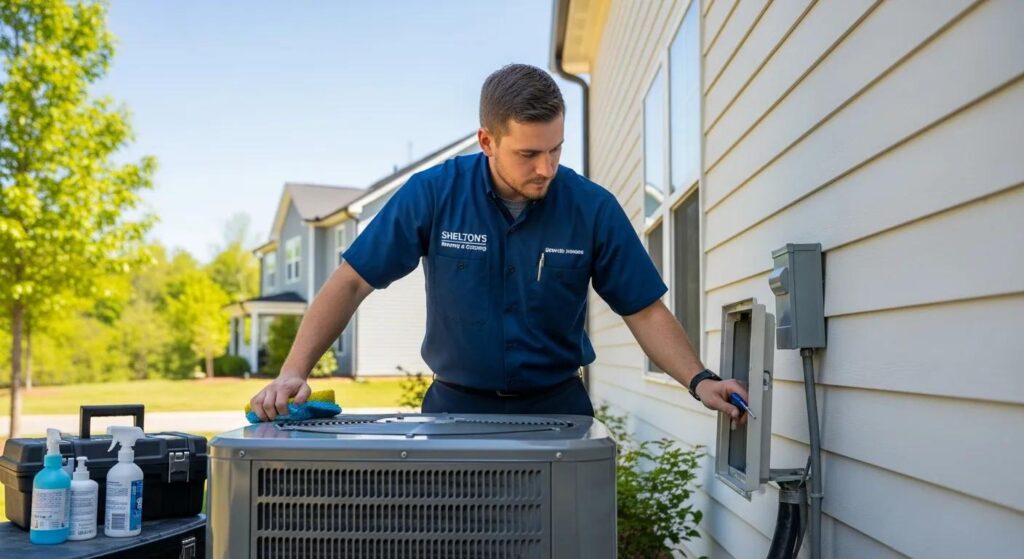
Why Preventative Maintenance Matters for HVAC Systems in Mayodan, NC
Preventative maintenance is the scheduled care and inspection that keeps heating, ventilation, and air conditioning equipment running safely, efficiently, and reliably. Our hot, humid summers and cool winters in Mayodan, NC, and surrounding areas put extra stress on HVAC systems. Regular tune-ups reduce seasonal wear, keep your home comfortable, and prevent costly mid-season breakdowns. This article details preventative maintenance, its benefits for homeowners and businesses, and how inspections lower energy use, extend equipment life, and improve indoor air quality. We cover key advantages, common problems, our 20-point inspection, seasonal tune-ups, residential vs. commercial plans, and how Shelton’s Air Worx supports local maintenance needs. We provide practical guidance for confident HVAC upkeep decisions.
What Are the Key Benefits of HVAC Preventative Maintenance?
Regular maintenance reduces mechanical wear, keeps systems efficient, and improves indoor air quality by addressing key components. Routine checks of filters, coils, refrigerant, electrical connections, and controls reduce system stress and failures. This leads to lower energy bills, fewer emergency repairs, longer equipment life, and maintained warranty coverage. Homeowners and facility managers can expect these measurable benefits from a repeatable maintenance program. The core benefits are outlined below, followed by typical impacts to help prioritize service.
- Extended Equipment Life: Scheduled inspections reduce stress on parts, delaying major replacements and preserving your investment.
- Energy Savings: Optimized airflow and component efficiency significantly cut energy use and monthly utility bills.
- Improved Indoor Air Quality: Routine filter and coil care effectively lowers dust, allergens, and biological buildup, promoting a healthier indoor environment.
- Safety and Compliance: Regular checks catch potential hazards like electrical faults or combustion problems, ensuring your system operates safely and meets regulatory standards.
| Benefit Area | Typical Metric | Expected Outcome |
|---|---|---|
| Energy Efficiency | Annual energy reduction | 10–20% lower HVAC energy use |
| System Lifespan | Mean life extension | 2–5 additional serviceable years |
| Emergency Repairs | Fewer emergency events | Reduced emergency calls by up to 50% |
| Indoor Air Quality | Particulate reduction | Noticeable reduction in dust and allergens |
This table demonstrates how targeted maintenance actions translate into tangible outcomes and cost avoidance over time. Understanding these metrics leads into how maintenance prevents expensive failures through early detection.
How Does Preventative Maintenance Extend Your HVAC System’s Lifespan?
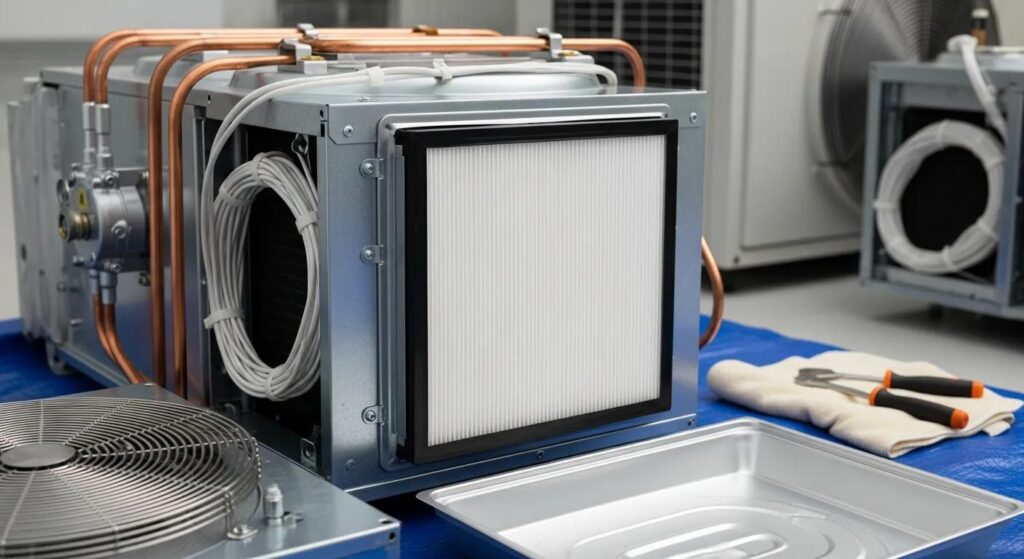
Preventative maintenance significantly extends a system’s life by addressing minor wear—like dirt buildup or loose connections—before they cause major failures. Cleaning coils and replacing filters improve heat transfer and airflow, reducing strain on critical components such as compressors and blower motors. Regular calibration and refrigerant checks prevent excessive cycling and overheating, which accelerate wear. Early detection transforms reactive fixes into planned services, safeguarding your investment. Inspections also uncover issues like small refrigerant leaks or out-of-balance blower wheels. Promptly addressing these prevents cascading failures and premature system replacement. This proactive approach highlights the importance of timely seasonal checks, detailed further in our maintenance checklist.
In What Ways Does Regular Maintenance Save Energy and Lower Utility Bills?
Maintenance saves energy by restoring optimal operating parameters: clean coils, proper refrigerant charge, and unobstructed airflow. Dirty filters and coils force the system to run longer, increasing energy consumption and utility bills. Proper thermostat calibration prevents overcooling or overheating. Studies show 10–20% savings for well-maintained systems, accumulating significantly during peak demand. Simply put, a tuned-up system with correct airflow and refrigerant levels consumes less electricity. These savings also reduce emissions and operating costs, preventing major repairs.
How Can Preventative HVAC Maintenance Prevent Costly Repairs?
Preventative maintenance identifies early signs of potential failure—like low refrigerant or corroded contacts—allowing repairs before they cause expensive breakdowns. Our inspection program systematically checks common failure points, applying corrective steps far less costly than major component replacements. Scheduled service avoids premium emergency rates and disruptive downtime. Common issues identified include clogged filters, dirty coils, minor leaks, and loose electrical connections, all of which accelerate wear and increase energy use. Technicians also test safety devices to prevent hazardous failures. Addressing these regularly prevents minor faults from becoming expensive problems—the true value of preventative maintenance.
Common issues identified during preventative service include:
- Clogged filters and restricted airflow — This increases run time and places undue stress on vital components.
- Low refrigerant or leaks — A leading cause of compressor overheating and premature failure.
- Loose or corroded electrical connections — Can result in intermittent faults, reduced efficiency, or even fire risk.
- Worn belts and bearings — These reduce efficiency, increase noise, and can lead to motor failure if not addressed.
By linking findings to preventive actions, technicians effectively stop small problems from escalating into significant, costly repairs. This illustrates how routine checks lead to fewer emergency repairs and lower lifecycle costs, quantifying how early detection saves money by avoiding premium emergency service and major component replacements.
| Issue | Early Warning Sign | Preventative Action |
|---|---|---|
| Refrigerant leak | Reduced cooling capacity, longer run times | Locate leak, repair it, and recharge to specification |
| Dirty coils/filters | High head pressure, reduced airflow | Clean coils and replace or clean filters regularly |
| Electrical faults | Tripped breakers, erratic operation | Tighten terminals, test capacitors, replace worn parts |
| Mechanical wear | Unusual noises, vibration | Lubricate bearings, adjust belts, balance motors |
How Does Early Detection Reduce Emergency Repair Costs?
Early detection transforms high-cost, unexpected failures into planned, lower-cost repairs. Identifying a small refrigerant leak or failing capacitor during routine maintenance allows for economical part replacement, avoiding a full system swap. Scheduled repairs during business hours avoid premium labor and allow for advance part ordering, significantly lowering costs. Preventing catastrophic failures also preserves warranty coverage and avoids premature system replacement. For instance, repairing a small leak early costs a fraction of replacing a seized compressor later. Planned interventions ensure optimal system operation and comfort, shaping our maintenance plan structure, which we explain next.
What Does Shelton's Air Worx HVAC Preventative Maintenance Include?
Shelton’s Air Worx offers structured maintenance with a comprehensive 20-Point Inspection and seasonal tune-ups tailored to North Carolina’s climate. Our checklist-based service systematically checks electrical, mechanical, airflow, refrigerant, and safety components, focusing on parts prone to failure or inefficiency. The 20-Point Inspection targets items affecting safety, efficiency, and reliability: filters, coils, refrigerant, electrical connections, blower assemblies, and controls. Each item is inspected, measured, and adjusted or replaced per manufacturer guidance. We provide a detailed report documenting findings and recommended actions, empowering owners to prioritize repairs. This process corrects minor issues, supports warranty compliance for systems—like Daikin furnaces, Daikin heat pumps, and Daikin ductless systems—and provides an audit trail for claims. The 20-Point Inspection covers key systems to protect performance and warranty conditions, including filters, coils, blower components, electrical connections, refrigerant charge, safety devices, and thermostat calibration.
| Component | Inspection / Service | Frequency / Outcome |
|---|---|---|
| Air Filter | Inspect and replace or recommend replacement | Every 1–3 months; restores optimal airflow |
| Condenser Coil | Clean and check fins | Annually in spring; significantly improves heat transfer |
| Refrigerant System | Check charge and detect leaks | Annually; prevents compressor strain and damage |
| Electrical Connections | Tighten and test controls | Annually; reduces failure risk and enhances safety |
| Blower Motor & Belt | Lubricate, adjust, and inspect | Seasonally; maintains airflow and efficiency |
This sample represents a portion of the 20-Point Inspection; the full program includes additional safety and performance checks and is adjusted by system type. Seasonal tune-ups strategically prepare systems for peak demand, ensuring optimal tuning for hot summers and cool winters. Timing tune-ups to local climate cycles ensures proactive care, extending system life, maintaining comfort, and drastically reducing emergency repairs.
Seasonal tune-ups strategically prepare systems for peak demand by focusing on season-specific tasks:
- Spring AC Prep: We meticulously clean the condenser, verify refrigerant levels, and test the compressor and airflow to ensure your system is fully prepared for the demanding cooling season.
- Fall Heating Prep: We thoroughly inspect heat exchangers (when applicable), test ignition and fuel systems, and check all safety devices for reliable and safe heating operation during cooler weather.
- Ongoing Monitoring: We confirm thermostat schedules and make minor adjustments to maintain consistent efficiency throughout the year.
How Does Regular HVAC Maintenance Boost Indoor Air Quality and Safety?
Regular HVAC maintenance profoundly improves indoor air quality and reduces safety risks. It eliminates particulate buildup, controls moisture to prevent mold, and ensures safe operation of combustion and electrical systems. Routine filter changes, coil and drain cleaning, and duct inspections lower dust, pollen, and biological contaminants. Comprehensive safety checks verify carbon-monoxide–producing appliances and electrical components, catching hazards early. Maintenance enhances IAQ by removing airborne particulates and biological contaminants. Scheduled filter replacement captures dust and allergens. Coil and drain cleaning eliminates mold-fostering organic material. Duct inspections address disconnected sections or heavy dust. These tasks collectively reduce allergen exposure and maintain ventilation, ensuring a healthier breathing environment. Superior IAQ supports occupant health and comfort, making preventative maintenance a valuable investment. Preventative maintenance also lowers risks of carbon monoxide leaks, electrical fires, and refrigerant hazards. Our safety checks verify combustion integrity, tighten electrical components, and inspect refrigerant lines. Early detection of issues like unusual noises or smells allows technicians to act before minor problems escalate into hazardous events. These critical safety checks protect occupants and reduce liability. Routine safety inspections are integral to maintenance visits, preserving efficiency, especially in modern, well-sealed properties.
- Dust and pollen: Regular replacement of fresh filters and cleaning of coils dramatically reduce recirculated airborne particles.
- Mold and biological growth: Consistent coil and condensate-drain cleaning effectively limits moisture accumulation and inhibits biological growth.
- VOCs and odors: Enhanced ventilation and filtration strategies, supported by maintenance, lower indoor volatile organic compound (VOC) levels and improve overall air freshness.
Routine maintenance therefore delivers clear indoor air quality (IAQ) improvements while simultaneously addressing critical safety hazards like electrical faults or carbon monoxide exposure. This table clearly links inspection tasks to vital safety outcomes and underscores why regular service is indispensable for both IAQ and hazard prevention.
| Safety Risk | Detection Cue | Preventative Measure |
|---|---|---|
| Carbon monoxide exposure | Unusual odors, occupant symptoms | Test and inspect combustion appliances; verify venting integrity |
| Electrical short / fire risk | Tripped breakers, burn marks | Tighten connections; replace degraded wiring or components |
| Condensate overflow / mold | Water stains, musty smell | Clean drains and coils; improve drainage and airflow |
How Do Residential and Commercial HVAC Maintenance Plans Differ?
Residential and commercial maintenance plans differ significantly in scope, frequency, regulatory needs, and uptime priorities, due to equipment size and operational criticality. Residential plans focus on comfort, IAQ, predictable costs, and seasonal tune-ups for single systems. Commercial plans scale services for larger, multi-zone systems, incorporating advanced monitoring and preventive controls, emphasizing uptime, redundancy, and compliance. This requires different service frequencies, SLAs, and specialized checklists. Understanding these distinctions helps property owners select the most appropriate plan. This comparison clarifies why businesses need more frequent checks and faster responses, while homeowners prioritize seasonal tune-ups and convenience. The next sections detail benefits for homeowners and local businesses.
- Residential Plans: Feature seasonal tune-ups, expert filter guidance, priority scheduling, and comfort-focused inspections, ensuring a pleasant home environment.
- Commercial Plans: Involve more frequent visits, advanced equipment monitoring, and a strong emphasis on maximizing uptime and ensuring regulatory compliance.
- Shared Elements: Both plan types include essential safety checks, performance verification, and documented service to support warranties and provide peace of mind.
| Plan Type | Primary Focus | Typical Benefit |
|---|---|---|
| Residential | Comfort and IAQ | Predictable upkeep and fewer mid-season failures |
| Commercial | Uptime and compliance | Reduced downtime and regulatory alignment |
| Hybrid/Scaled | Cost vs reliability | Tailored frequency and monitoring to balance budget and risk |
What Are the Benefits of Residential HVAC Maintenance Plans for Mayodan Homeowners?
Residential plans offer Mayodan homeowners predictable maintenance, safeguarding comfort, reducing breakdowns, and controlling utility costs. Priority service and seasonal tune-ups optimize systems for our climate. Documented service maintains warranties and provides clear repair recommendations for proactive budgeting. This results in reliable home comfort, lower operating costs, and peace of mind regarding safety and IAQ. Routine maintenance is a smarter choice than emergency repairs. Explore our HVAC financing options for accessibility.
How Does Commercial HVAC Maintenance Protect Local Businesses?
Commercial maintenance is vital for reducing unplanned downtime, maintaining comfort for employees and customers, and meeting regulatory or insurance requirements. Commercial plans include advanced monitoring, priority dispatch, and strategically scheduled part replacements around business hours. Meticulously tuned systems prevent lost productivity and revenue from HVAC outages, significantly cutting costly emergency repairs. This predictable reliability supports business continuity and enhances tenant satisfaction. For comprehensive HVAC repair or HVAC installation, Shelton’s Air Worx is your trusted partner.
Why Choose Shelton's Air Worx for Your HVAC Preventative Maintenance Needs?
Shelton’s Air Worx offers locally focused maintenance plans and certified technicians for residential and commercial HVAC service, including specialized care for Daikin furnaces, Daikin heat pumps, and Daikin ductless equipment. We emphasize dependable home comfort, practical cost savings, and checklist-driven maintenance to protect system performance and warranties. Our dedicated team serves Mayodan and surrounding communities with clear communication and reliable service. Visit our HVAC blog or HVAC FAQs for insights.
- Local knowledge: Our technicians possess an intimate understanding of how North Carolina weather patterns uniquely affect HVAC loads and wear on equipment.
- Brand expertise: Our extensive familiarity with Daikin and other major HVAC systems ensures we consistently follow manufacturer-recommended procedures and best practices.
- Service plan structure: Our maintenance plans are meticulously checklist-driven and thoroughly documented to support warranties, enhance system longevity, and preserve resale value.
How Does Our Certified Team Ensure Quality and Reliability?
Our certified technicians use structured inspection checklists and rigorous quality assurance to ensure every maintenance visit covers performance, safety, and documentation. We meticulously inspect electrical and mechanical systems, verify refrigerant levels, clean coils and drains, and test controls for correct, efficient operation. After each visit, we provide a detailed report outlining findings and recommended follow-ups, empowering customers to prioritize repairs and see value. This checklist approach reduces variation and produces predictable, high-quality outcomes. Consistent, documented maintenance delivers energy savings and reliability, helping owners plan budgets and proactively avoid emergency failures.
What Advantages Do Daikin HVAC Systems Have with Regular Preventative Care?
High-efficiency systems like Daikin excel with regular preventative care. Their advanced components—variable-speed compressors, precise controls, and tight tolerances—rely on correct refrigerant charge, clean heat exchangers, and accurate calibration. Routine maintenance keeps these parts operating within specification, catching issues that could bypass efficiency features. Properly cared-for Daikin equipment is more likely to achieve expected seasonal performance and remain within warranty terms requiring documented service. For Daikin owners, planned maintenance is an essential investment protecting performance and long-term value. Regular service maximizes benefits and longevity for high-efficiency systems. Contact Shelton’s Air Worx Today!
Ready to Protect Your HVAC Investment?
Investing in preventative maintenance is the smartest way to keep your HVAC system running safely, efficiently, and reliably. This leads to significant energy savings, reduced repair costs, and improved indoor air quality. Catching small problems early extends equipment life, preserves warranty coverage, and ensures year-round comfort for your home or business. Experience the tangible difference regular, expert care makes.